
Nurturing Tomorrow’s Conservation Champions: A Transformative Journey at Matobo National Park
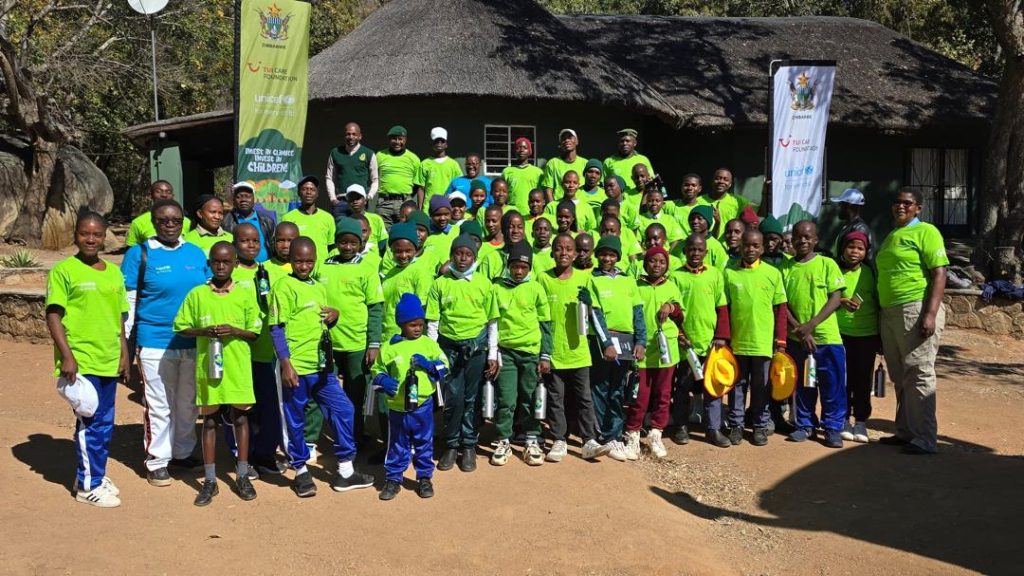
Conservation education has the power to shape young minds and create lasting change. Our recent four-day educational excursion to Matobo National Park stands as a testament to this belief, bringing together 50 enthusiastic students from 10 schools across the Chimanimani District for an immersive conservation learning experience that exceeded all expectations.
The Journey Begins: From Curiosity to Conservation
When the students first arrived at Matobo National Park, their excitement was palpable. These young minds, ranging across different grade levels and backgrounds, shared one common thread: an eagerness to learn about Zimbabwe’s incredible natural heritage. What began as curiosity would soon transform into genuine passion for conservation. The program was designed to provide hands-on learning experiences that would connect students directly with wildlife conservation efforts. From the outset, it was clear that this wouldn’t be a typical field trip – this was an opportunity to cultivate the next generation of conservation leaders.
Wildlife Encounters and Conservation in Action
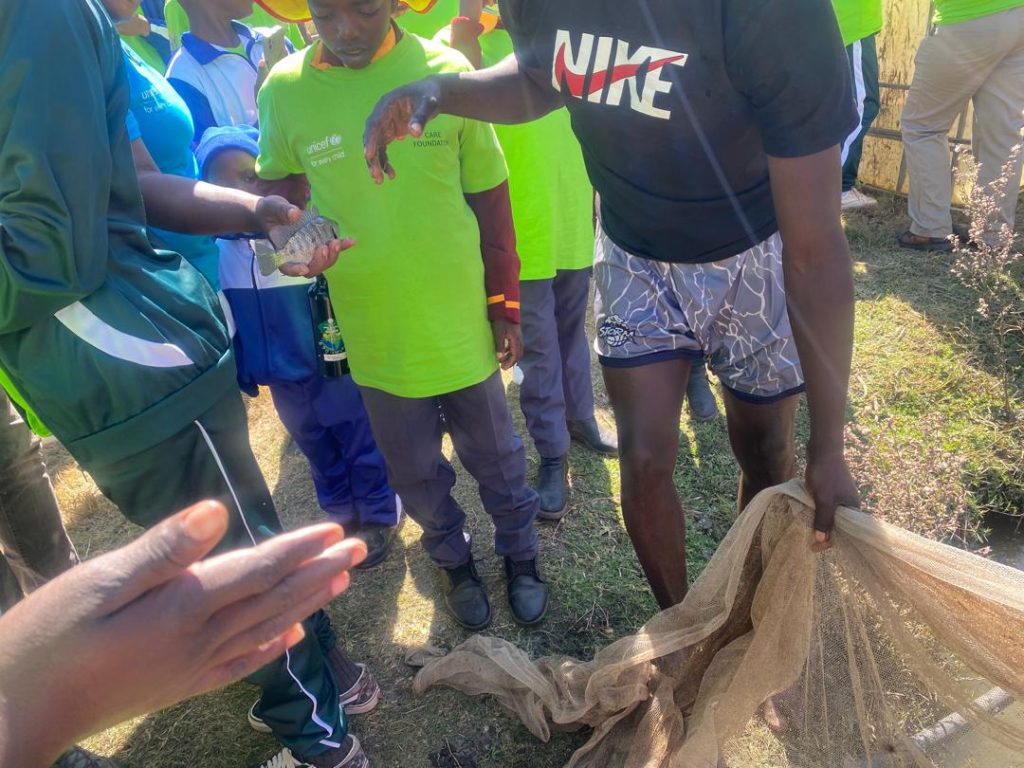
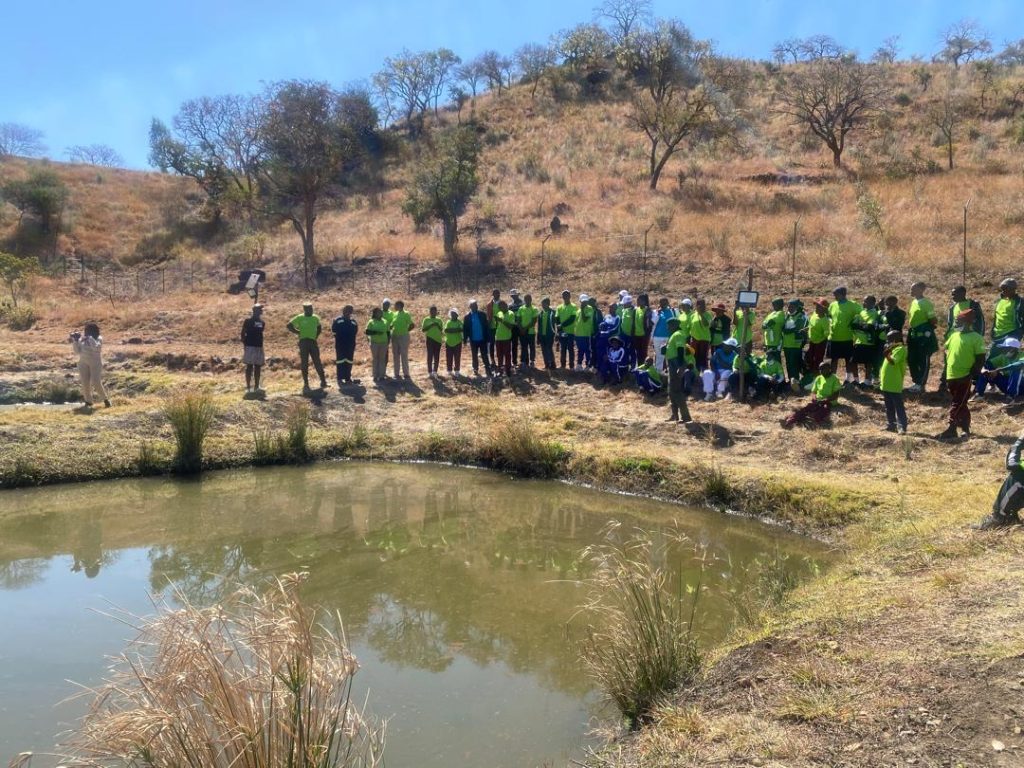
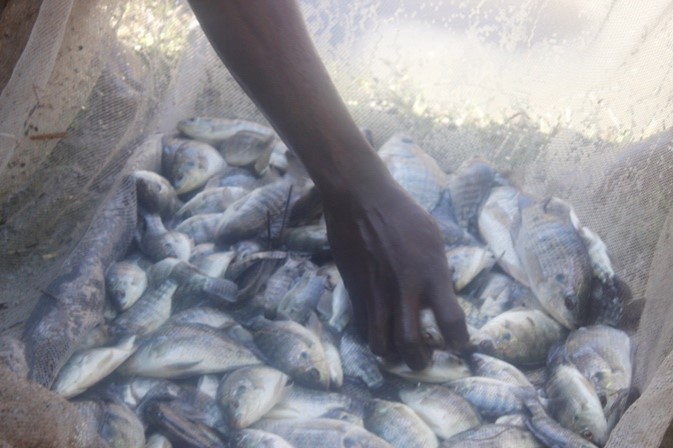
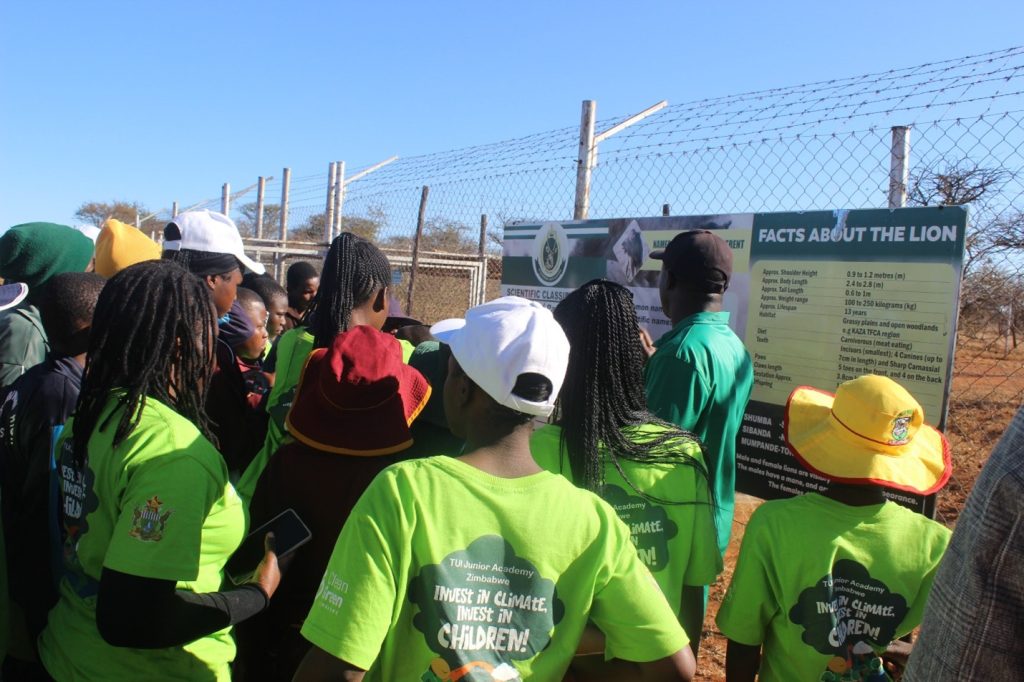
The students’ first major learning experience came through wildlife observation. Spotting zebras, wildebeest, and impalas in their natural habitat provided an immediate connection to the animals they had previously only seen in textbooks or documentaries. These encounters served as powerful conversation starters about habitat preservation, wildlife behavior, and ecosystem balance. Beyond wildlife viewing, students were introduced to ZimParks innovative fish farming project – a brilliant example of how conservation efforts can directly support community needs. This initiative demonstrated two critical concepts that often seem at odds: food security and environmental protection. Students learned that conservation isn’t just about protecting animals; it’s about creating sustainable systems that benefit both wildlife and local communities while respecting community rights.
A Once-in-a-Lifetime Wildlife Experience
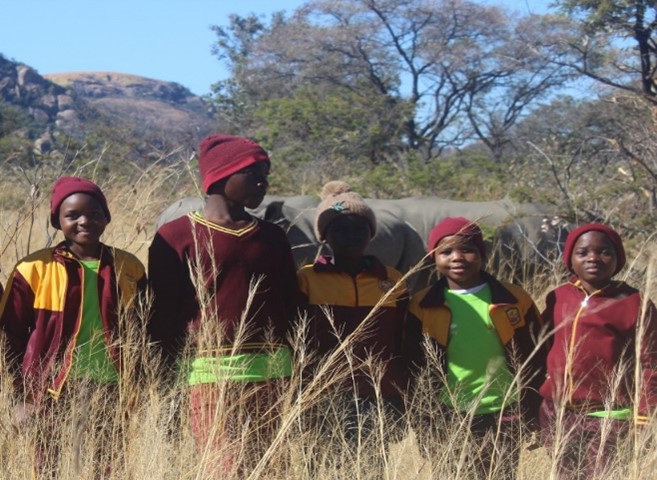
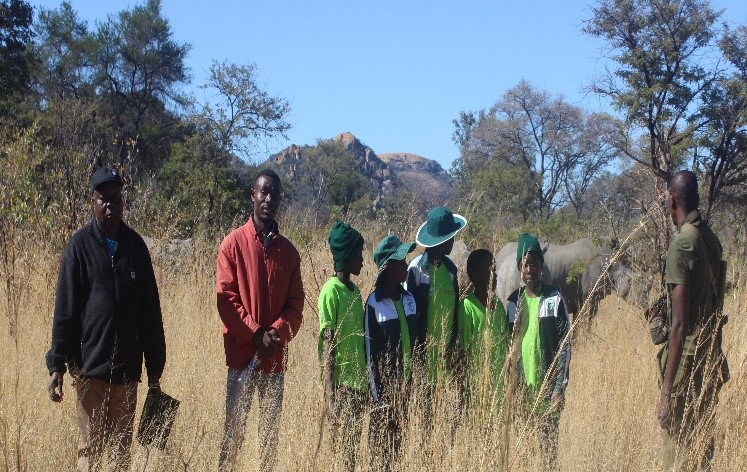
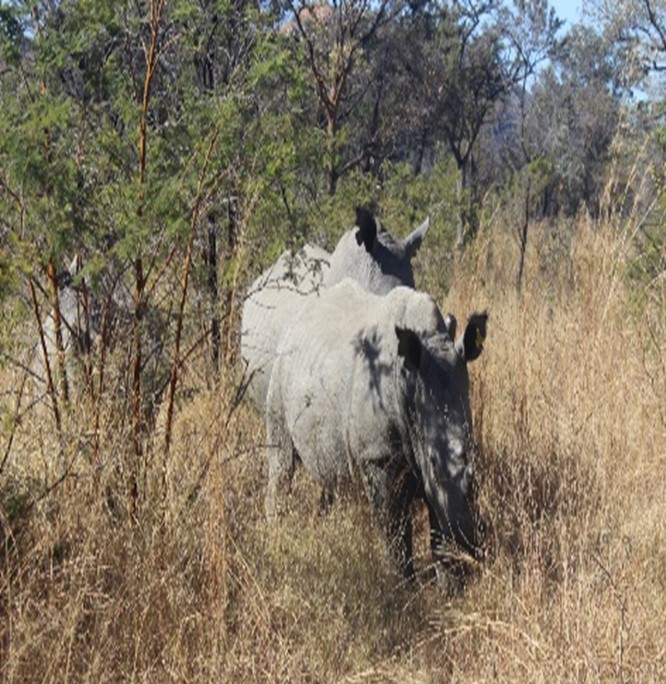
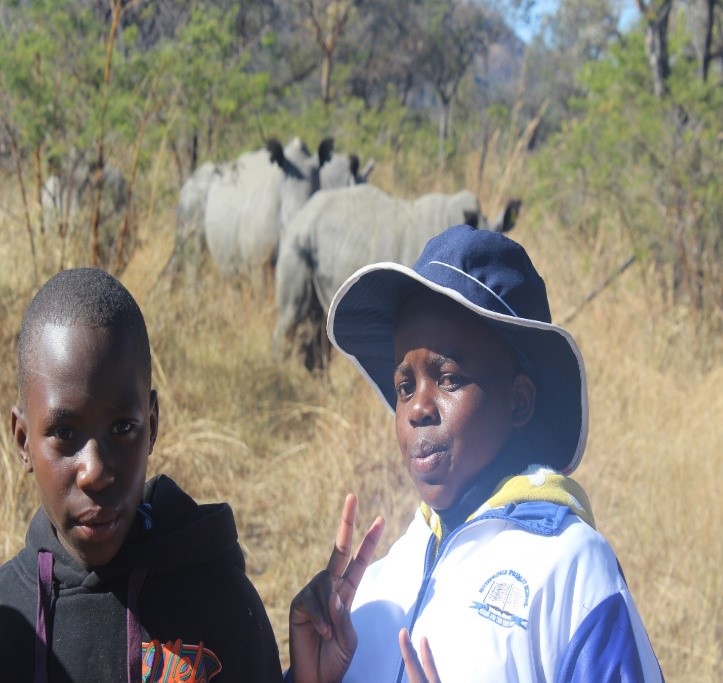
The expedition reached its peak excitement after the groups visit to Pomongwe Cave. The historical and cultural significance of the cave provided valuable context about human interaction with the natural environment over centuries. However, it was the news that followed that truly electrified the group: wild white rhinos had been spotted in the area. The opportunity to observe these magnificent and critically endangered animals in their natural habitat was nothing short of extraordinary. For many students, this was their first encounter with rhinos outside of captivity. The experience drove home the importance of conservation efforts and the fragility of wildlife populations. Watching the students' faces as they witnessed these gentle giants was a reminder of why conservation education matters so deeply.
Expanding Learning Beyond the Field
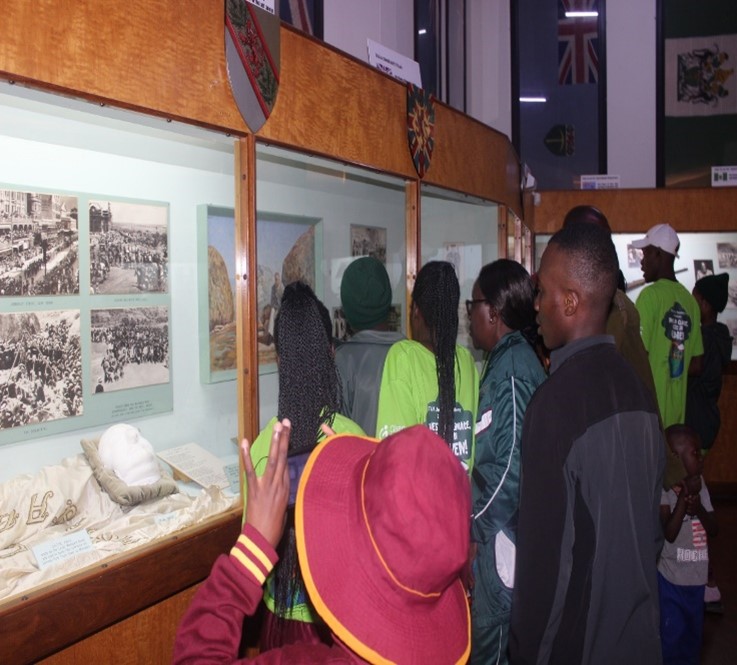
The educational journey extended beyond Matobo borders with a visit to Bulawayo’s Natural History Museum. Here, students explored Zimbabwe’s rich natural and cultural heritage through carefully curated exhibits. The museum experience helped contextualize their field observations within the broader story of Zimbabwe’s biodiversity and conservation history. The Efifi Trail provided another dimension to their learning, focusing on traditional plant uses and geological formations. This component of the program emphasized the interconnection between cultural knowledge and environmental stewardship, showing students how indigenous wisdom can inform modern conservation practices.
Student Presentations: The Future of Conservation Speaks The final day at Tshabalala Game Sanctuary marked the culmination of the students’ learning journey. Their presentations were nothing short of inspiring. These young conservationists articulated their newfound understanding of wildlife protection, habitat conservation, and community involvement with passion and clarity that moved organizers to tears. The presentations revealed how deeply the experience had impacted each student. They spoke not just as visitors who had enjoyed a nature trip, but as informed advocates ready to take action in their own communities.
The Ripple Effect: Conservation Ambassadors Return Home
The true success of any conservation education program is measured not by what happens during the trip, but by what participants do when they return home. These 50 students didn’t simply go back to their communities with memories – they returned as conservation ambassadors, equipped with knowledge, passion, and the tools to make a difference. Each student now carries the responsibility and opportunity to share their experiences with family, friends, and community members. This multiplier effect is how conservation education creates lasting change, extending far beyond the initial participants to influence entire communities.
Partnership in Conservation: A Collaborative Effort
The success of this transformative conservation education program was made possible through UNICEF Zimbabwe_TUI CARE Foundation, working in partnership with several dedicated conservation organizations to create this impactful learning experience. ZimParks provided expert ranger guides and wildlife specialists who shared their extensive knowledge and ensured safe, educational wildlife encounters throughout the four-day program. EMA Zimbabwe brought their environmental stewardship expertise to the program, reinforcing the importance of environmental protection at all levels of society. Ministry of Primary & Secondary Education (MoPSE)contributed their expertise in empowering young minds through education, ensuring the program met high educational standards and learning objectives.
Lessons Learned and Looking Forward
This conservation education excursion reinforced several important principles: Experiential learning works. Students who interact directly with wildlife and conservation professionals develop deeper understanding and stronger emotional connections to conservation issues. Community connection matters. When students see how conservation efforts benefit local communities, they better understand that environmental protection and human welfare are interconnected.
Young people are ready to lead. Given the right opportunities and information, students quickly embrace their role as conservation advocates and are eager to share their knowledge.
Partnership amplifies impact. The collaboration between educational institutions, government agencies, and conservation organizations created a program richer than any single entity could have provided alone.
The Call for Continued Support
Conservation education programs like this one require ongoing support from communities, organizations, and individuals who recognize the importance of nurturing environmental stewardship in young people. The investment in these students represents an investment in Zimbabwe’s environmental future.
As these 50 conservation ambassadors continue their journey, sharing their knowledge and inspiring others, they remind us that the future of Zimbabwe’s incredible wildlife and natural treasures is indeed in excellent hands. The question now is: who will join them in supporting the next generation of conservation champions?
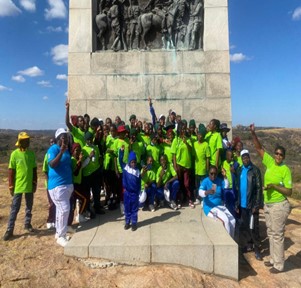
The images and memories from this four-day journey – from that first glimpse of the Welcome to Matobo sign to the final group photo – represent more than just a successful field trip. They capture the moment when curious students became committed conservationists, ready to protect Zimbabwe’s natural heritage for generations to come.