All-Girls Green Skills Development Training Program
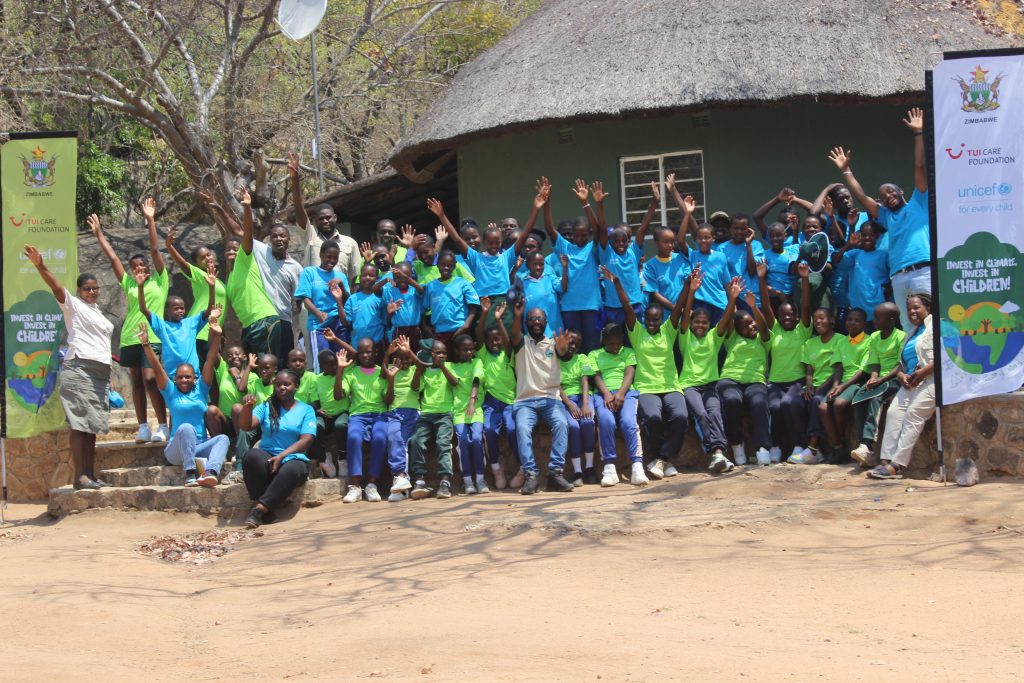
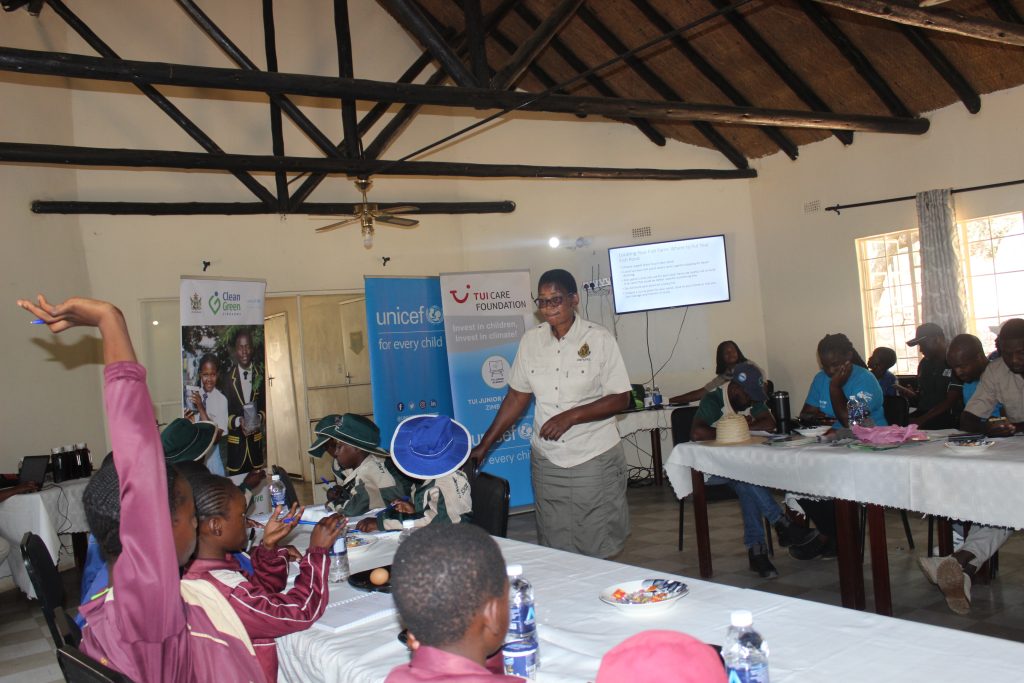
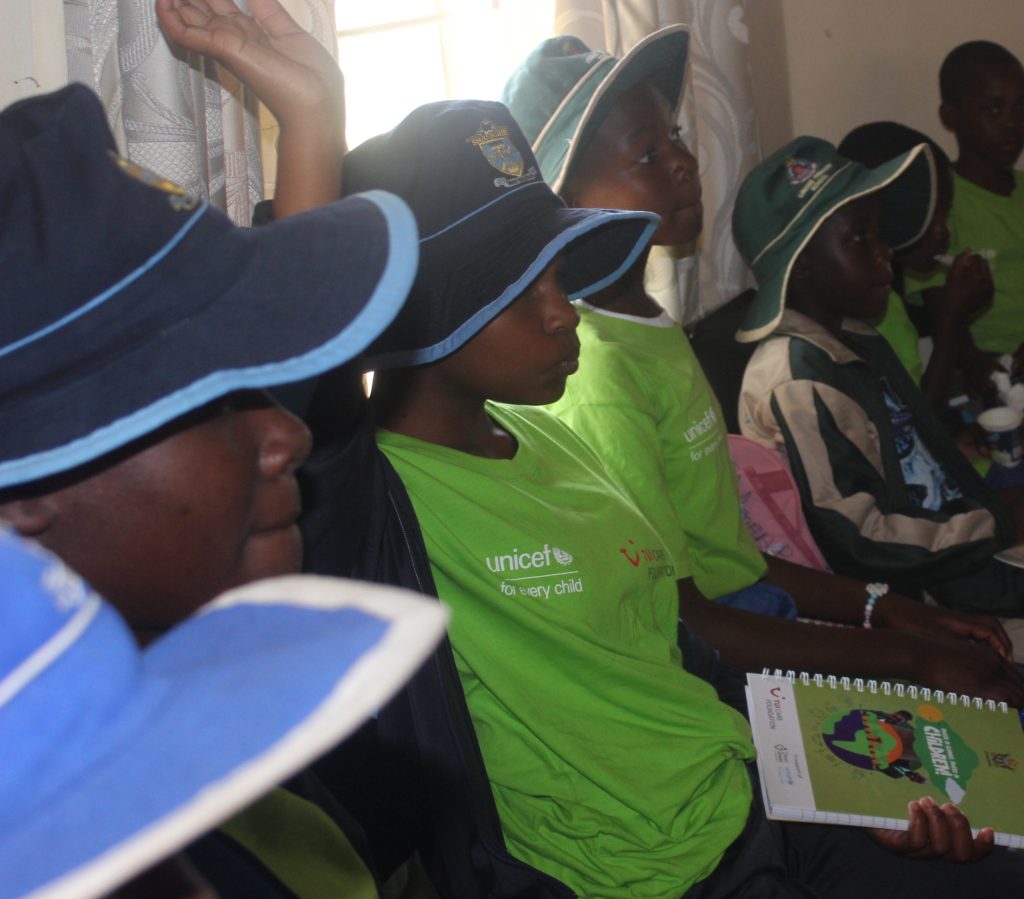
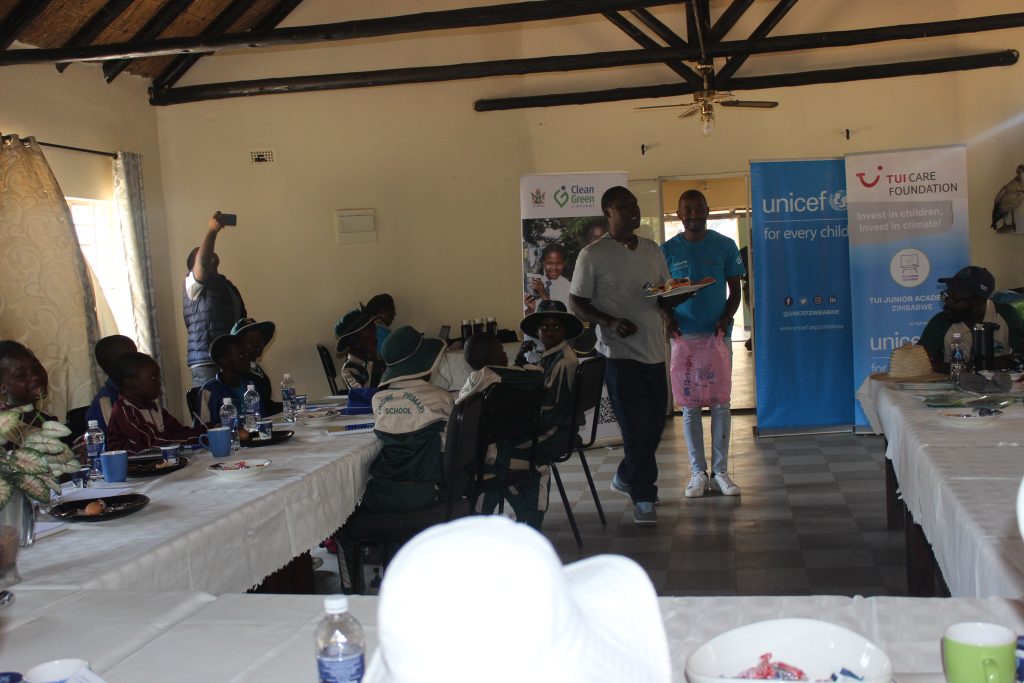
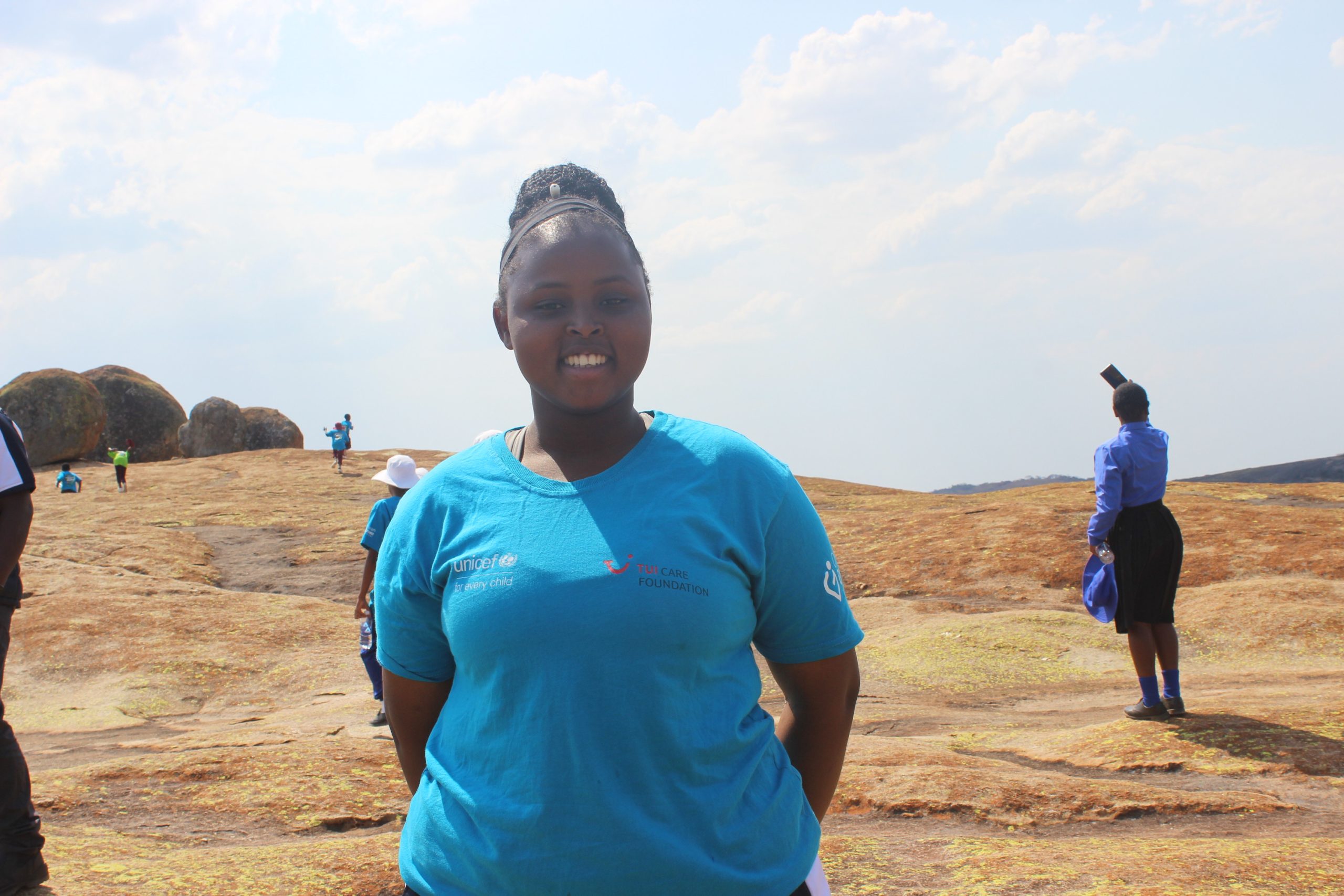
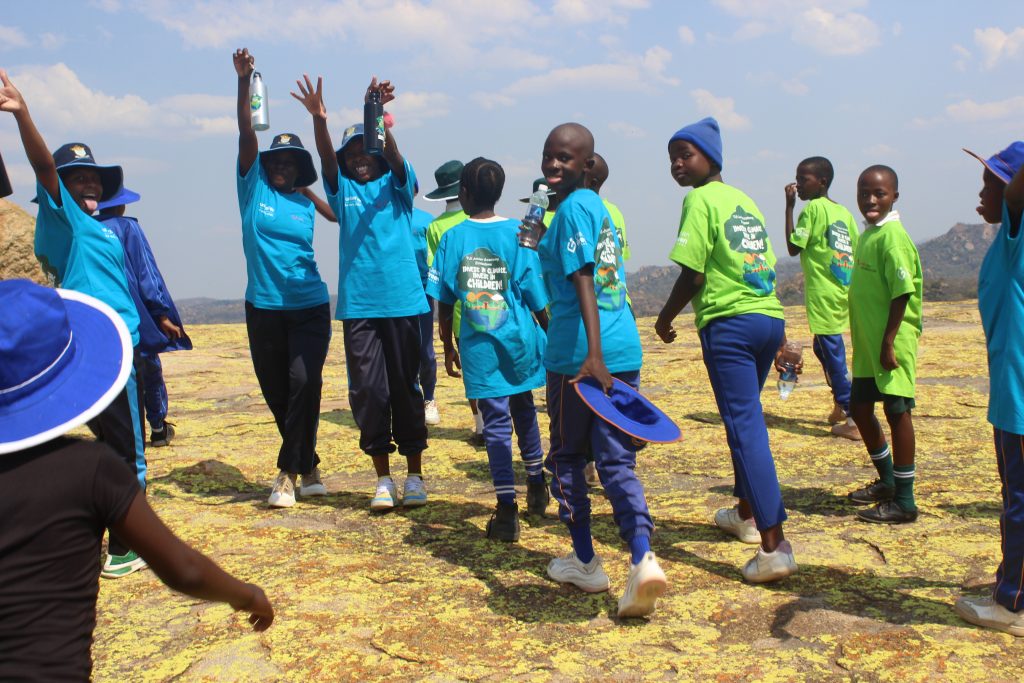
In the heart of Zimbabwe’s stunning Matobo National Park, fifty passionate young women gathered for a transformative day that would change how they view environmental leadership and their role in creating sustainable futures.
Why This Matters
Environmental challenges demand diverse perspectives and innovative solutions. Yet women and girls often bear the disproportionate burden of climate change impacts while remaining underrepresented in environmental leadership roles. Our All-Girls Green Skills Development Training Program directly addresses this critical gap.
The Challenge: Women and girls are underrepresented in environmental leadership despite being disproportionately affected by climate change.
Our Solution: Equip female learners with practical green skills and the confidence to lead environmental initiatives in their schools and communities.
A Day of Comprehensive Learning
🌱 Environmental Leadership
Leadership development training
Confidence building exercises
Community engagement strategies
🐟 Aquaculture Training
Fish farming techniques
Food security strategies
Ecosystem integration
🐝 Sustainable Beekeeping
Apiculture fundamentals
Biodiversity conservation
Income generation methods
🌳 Forest Conservation
Tree nursery establishment
Species selection techniques
Sustainable forest management
♻️ Waste Management
Three composting methods
Plastic recycling programs
Revenue generation for clubs
Voices from the Field
They should not be left behind because they are girls. Girls must assume positions of authority in environmental club management and take leading roles in their communities.
— Mr. Musasiwa, Environmental Management Agency
This experience has been humbling. It showed me that as young women, we can be environmental champions and leaders in our communities.
Neo Emaculate Mubhovosi, Minda High School
This single-day program represents more than skills training it’s a catalyst for transformative change. Fifty girls returned to their schools equipped with practical knowledge, enhanced confidence, and expanded networks. Each participant becomes a multiplier, sharing techniques with peers, establishing school projects, and modeling environmental leadership.
The program’s holistic approach connecting forest conservation to beekeeping, aquaculture to food security, and waste management to revenue generation helped participants understand that conservation efforts don’t exist in isolation. Each sustainable practice reinforces others, creating resilient systems that benefit both people and planet.
Built on Strategic Partnerships
Partner With Us to Expand Our Reach
Imagine the impact we can create together by reaching more girls, more schools, and more communities across Zimbabwe. Let’s collaborate to build a generation of environmental leaders equipped to tackle climate challenges.